Difference between Toca Life World Game and Online Poker Game are two different types of games, both in terms of objectives, game process, or target audience. Following are the specific differences between the two:
 Types and Purpose:
Toca Life World: Is a replication game designed especially for children, where players can explore a virtual world, interact with characters, and create their own narratives. This game gives players the freedom to fantasize and be creative.
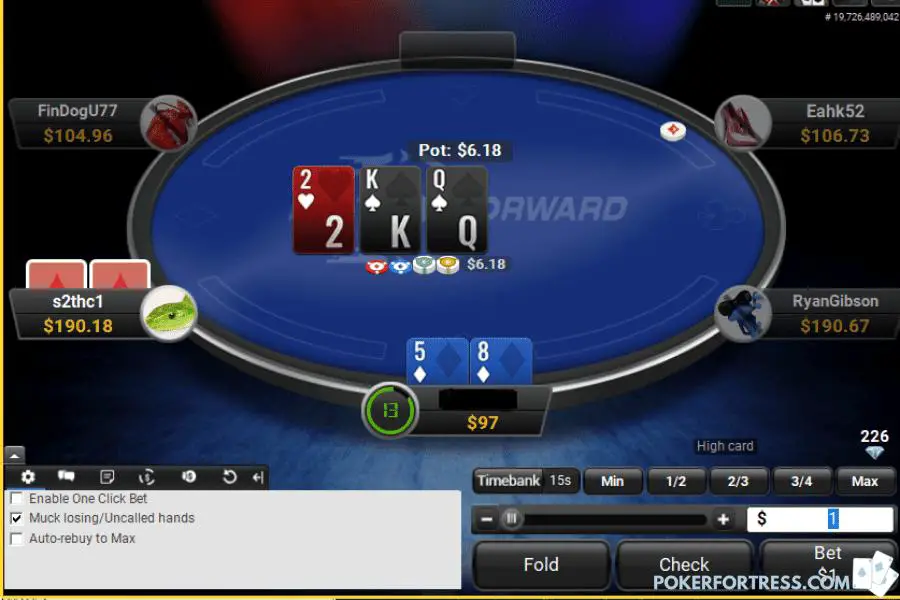
Online Poker: Is a card game played by several players to compete against each other in strategy, luck and skill. The intent is generally to win chips or virtual money (and in some cases, real money).
Game Process:
Toca Life World: Players select and organize characters, locations, and objects to create their own scenarios and narratives. There is no particular “winning move” because the concentration is on exploitation and creation.
Online Poker: Players play their cards based on certain rules to try to beat other players. It involves tactics, reading the enemy’s hand, and luck.
Target Audience:
Toca Life World: Especially intended for children, although adults can also enjoy it as a relaxation or creative facility.
Online Poker: Generally intended for teenagers to adults, especially those interested in gambling, strategy and competition.
Monetization Factors:
Toca Life World: Monetization is generally through in-app purchases for additional content, such as locations, characters, or points.
Online Poker: Can include real money bets, or use virtual chips that can be purchased for real money. In some cases, players can withdraw their winnings in the form of real money.
Social Factors:
Toca Life World: Although players can share their creativity, this game usually has a solo nature.
Online Poker: Truly social, players compete against each other, often with chat features and other relationships.
Overall, “Toca Life World” focuses more on creation and exploitation, while online poker is more about competition, tactics, and in some cases, gambling.
The advantages
Please review the advantages of the two games:
1. Toca Life World:
a. Empowering Creation: The game is designed to give players the freedom to create and live their own narratives, allowing imaginations to run wild.
b. Easy to Use for Kids: The interface and design of the game are tailored for kids, so they can easily understand and navigate the game.
c. Learning: Even though it is a diversion, this game can teach children about social relationships, cause and effect, and other ideas through replication.
d. Safe Content: Toca Life World is strictly controlled to ensure its content is suitable for children, making it a safe option for parents.
e. Lots of Content: There are several characters, backgrounds, and scenarios to choose from, providing almost unlimited variety for the narrative.
2. Online Poker:
a. Tactics and Skills: Poker is not just about luck. It requires vital judgment, planning, and skill, which makes it challenging and gives satisfaction.
b. Social Connection: Many online poker platforms offer communication features, allowing players to connect, mingle, and compete with others from all over the world.
c. Elasticity: Many online poker platforms are available on multiple devices, from computers to mobile phones, allowing players to play anywhere and at any time.
d. Types: There are various types of poker (such as Texas Hold’em, Omaha, and others), each of which offers different game dynamics, keeping the game fresh and interesting.
e. The Power of Financial Gains: For skilled players, there is the power to gain financial gains, especially on websites that allow real money betting.
These two games have certain advantages and serve different audiences. While Toca Life World is more suited to a young audience looking to learn and be creative, online poker is more for those looking for tactical challenges and competition.
Bonuses Given
In the gaming industry, bonuses are a measure to attract and keep players. However, the types of bonuses offered can vary greatly depending on the type of game and platform. Here are some bonuses that may be given to games such as “Toca Life World” and online poker:
1. Toca Life World:
a. Free Content: To celebrate special events or certain achievements in the game, players may gain access to new characters, backgrounds, or accessories for free.
b. In-Program Discounts: Sometimes, in-program purchases (such as additional content) may be offered at a discounted price for a limited time.
c. Daily Prizes: Some games give small prizes to players who log in every day.
d. Limited Content: For players who have been playing for a long time or have reached a certain level, there may be limited content that only they can access.
2. Online Poker:
a. Deposit Bonus: Many online poker websites offer bonuses for the first deposit or subsequent deposits. For example, a site may offer a 100% bonus up to a certain amount for the first deposit.
b. Free Competition Tickets: As an incentive, new players may get free tickets for certain competitions.
c. Cashback or DEWAPOKER Refund Bonus: Some bases give players some of the rake (the fee the site takes from the pot) back as a bonus.
d. Loyalty or VIP Programs: Many poker websites have loyalty programs where players earn points for each hand played. These points can be exchanged for prizes, competition entries, or cash.
e. Daily or Weekly Prizes: Similar to Toca Life World, some poker websites reward players who log in and play every day or week.
f. Referral Bonus: Some sites offer bonuses to players who recommend friends or family members to join and play on that website.
Remember to always read the terms and conditions of any bonus you are considering to make sure you understand the withdrawal requirements, limits, and other details.
Requirements to be able to join and play DEWAPOKER
Requirements for joining and playing generally depend on the type of game and the base on which the game is run. Let’s think about the requirements that are usually found in games such as “Toca Life World” and online poker:
1. Toca Life World:
a. Compatible Devices: These games are generally available on mobile platforms, so you need a phone or tablet that is compatible with the latest version of the game.
b. User Account: While you may be able to start playing without an account, to save your progress and make purchases within the program, you may need to create a user account.
c. Internet Network: To download games, make improvements, and purchase within the program, constant internet access is required.
d. Minimum Age: Although this game is intended for children, there may be a minimum age limit to create an account, especially if there is a purchase feature in the program.
2. Online Poker:
a. Minimum Age: To play poker online, especially when involving real money, players must meet the minimum age set by local law. Usually, the minimum age is 18 years, but it can also be 21 years in some areas.
b. Identity Clarification: Many poker websites require players to provide proof of identity, such as a passport photo or driver’s license, especially when withdrawing money.
c. User Account: Players must register and create an account on the poker website. This involves setting up a user name, password, and possibly other personal information.
d. Payment System: When playing for real money, players need to have a payment system that is accepted by the poker website, such as credit card, e-wallet, or bank transfer.
e. Compatible Device: As with Toca Life World, you need a compatible device. Many online poker websites can be reached via a web browser, but some may offer special programs that need to be downloaded.
f. Constant Internet Network: Remember the real-time nature of online poker, constant internet access is important.
g. Accounts in Accepted Jurisdictions: Not all poker websites accept players from all countries. Players should check to see if they are in an area accepted by their designated base.
Before joining any platform or game, always read the terms and conditions, and privacy regulations. This will give you clear knowledge of what to expect and what you are agreeing to.
Game Guide
Remember you asked about two different games earlier – “Toca Life World” and online poker – I’ll give you a brief guide to each.
1. Toca Life World:
“Toca Life World” is a game based on exploitation and narrative, so there is no “right way” to play. However, here’s a basic way to get started:
a. Starting the Game: After installing, open the game and start by selecting your character.
b. Exploit: Move to various locations in the game (such as schools, hospitals, parks, etc.) by tapping the location icon.
c. Relationships: In each location, you can tap objects and characters to connect with them. For example, you can put clothes on your characters or make them eat food.
d. Create Your Narrative: You are free to create scenarios and narratives as you wish. There are no specific limits or goals.
e. Deposit and Exit: When finished playing, you can exit the game and your progress will be automatically deposited.
2. Online Poker:
Poker has many variations, but let’s review the basic steps for the most popular version, namely Texas Hold’em:
a. Determine the Table: After registering and logging into the poker platform, determine the table based on the stakes you expect.
b. Basic Knowledge: In Texas Hold’em, each player is dealt two cards face down. Next, five cards will be dealt face up in the middle of the table in three stages (flop, turn, river).
c. Betting Levels: After the first two cards are dealt, there will be a round of betting. Next, the first three cards (the flop) are dealt face up in the middle of the table followed by another round of betting. This process is repeated for the 4th card (turn) and 5th card (river).
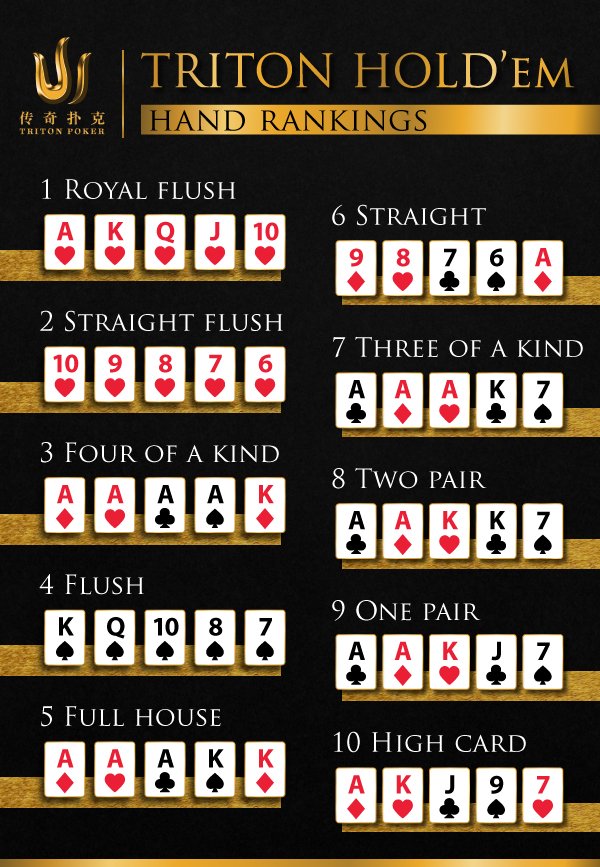
d. Card Combination: Your goal is to make the best combination of 5 cards using your two cards and the five cards in the middle of the table.
e. Winner: After all bets are finished, the player with the best card combination wins.
f. Leave the Table: Once you are finished playing, you can leave the table at any time.
Remember, both Toca Life World and online poker have additional features and gameplay factors that have not been mentioned here. This guide only provides a basic tutorial. If you want to master poker or understand all the features of Toca Life World, you may need to look for a more detailed tutorial or guide or practice in the game.
Benefits
Playing games, whether they are innovative replication games like “Toca Life World” or tactical games like online poker, can offer several benefits to players. However, it is important to remember that playing games should be exercised in moderation, and there are also prospective negative impacts that are important to pay attention to, especially in games that involve betting money. Here are some of the benefits of each game:
1. Toca Life World:
a. Creation Stimulant: This game gives players the freedom to create their own narratives and scenarios, driving imagination and creation.
b. Introduction to Ideas: Through everyday life replication, children can be introduced to various ideas, such as tasks, social relationships, and cause and effect.
c. Soft Motor Skills: Swiping, tapping, and interacting with objects on the screen can help improve soft motor skills.
d. Decision-Making Skills: Players must make choices about what their character will do, helping to improve decision-making process skills.
e. Distraction and Relaxation: As a narrative-based game, Toca Life World can provide a relaxing distraction and reduce depression.
2. Online Poker:
a. Increased Strength of Tactics: Poker is a game of tactics. Playing regularly can improve crisis-thinking and vitality.
b. Social Skills: Through relationships with other players, one can improve communication skills and learn to recognize someone’s behavior patterns.
c. Negative Impact Management: Poker teaches players to perceive negative impacts and make decisions based on the available information.
d. Math Skills: Players often use chance and statistics to make decisions in poker, strengthen their math skills.
e. Diversion: Like all games, poker can be a source of enjoyable distraction and a way to relax.
f. Opportunities for Financial Gain: Although this comes with the negative impact of losing money, playing poker online can provide opportunities for financial gain for skilled players.
It is important to remember that when playing games, especially games that involve betting money, it must be done responsibly. Make sure to set boundaries, understand the negative impacts, and always play wisely.
What age is allowed to play?
The permissible age for playing games is generally determined by the game rating and local laws. Here are some general tutorials for “Toca Life World” and online poker:
1. Toca Life World:
Game Rating: “Toca Life World” is generally targeted towards children, and the age rating is likely to be somewhere between 4+ to 12+ depending on the base and country. However, these ratings are references and parents should decide whether these games are right for their children based on content and personal strengths.
In-Program Purchases: While “Toca Life World” may be suitable for young people, it should be noted that this game may have an in-program purchase feature. Parents must ensure proper arrangements to avoid accidental purchases by children.
2. Online Poker:
Minimum Age: Most online poker sites that allow real money betting have a strict minimum age limit. In some countries, the minimum age for online betting is 18 years, but in some other jurisdictions, the limit may be 21 years.
Clarification: As part of the registration and clarification process, poker websites generally require proof of identity to ensure that players meet the minimum age.
Local Laws: While sites may have certain minimum ages, players must also comply with local laws and regulations. Some countries may have stricter limits or prohibit online gambling games completely.
If you are considering introducing games to your children or yourself, always check game ratings, reviews, and local laws to ensure that you comply with all applicable rules and regulations.

 0
0
 0
0